Author: acauthority

How to check your HVAC for damage after a hurricane

How To Check Your HVAC For Damage After A Hurricane

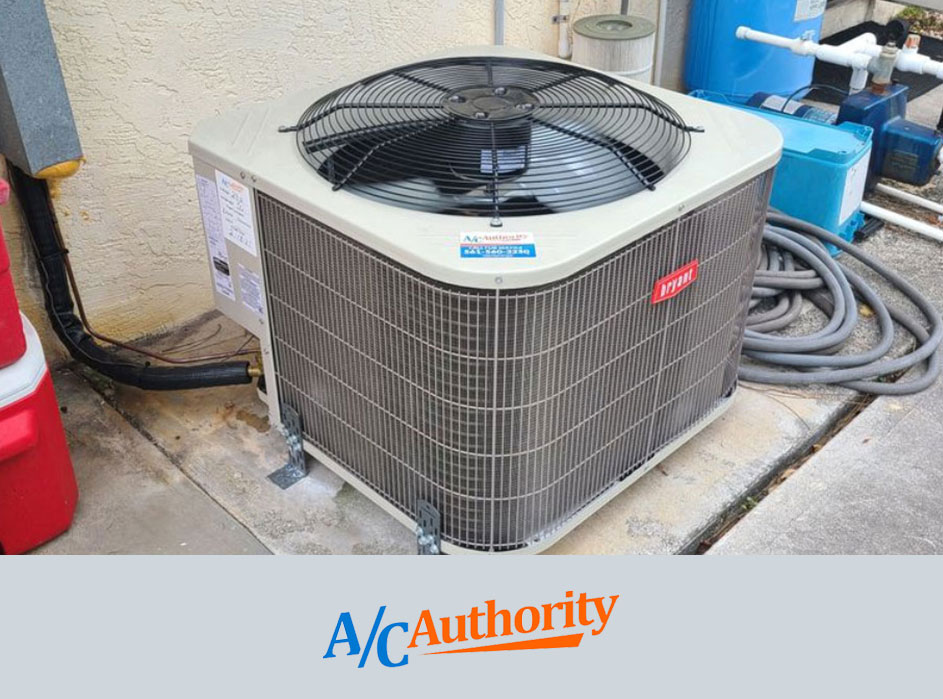
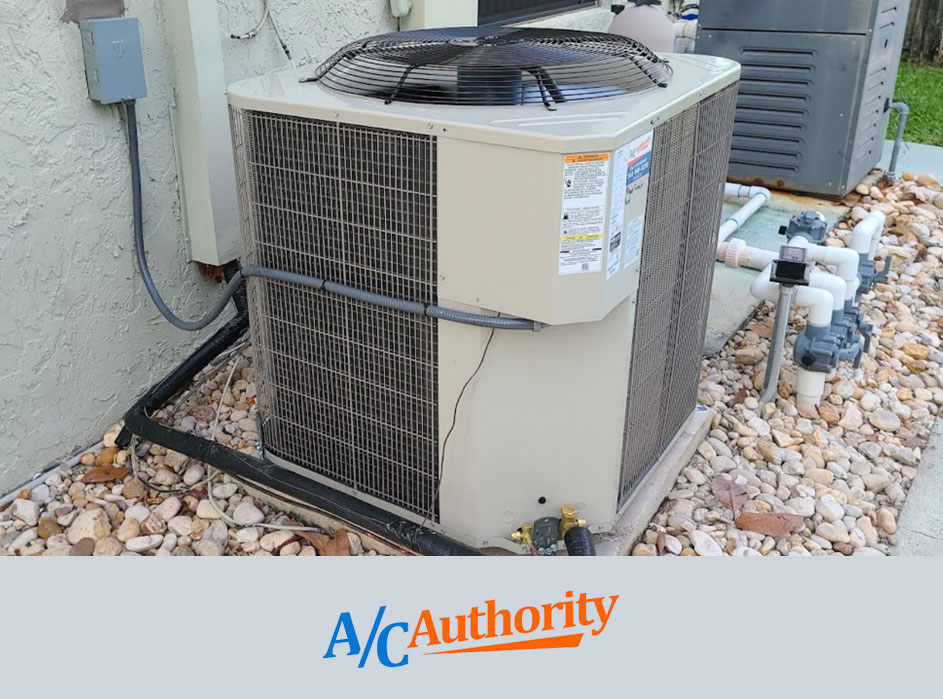
Signs like abnormal noises, poor cooling, air quality changes, and dents on the exterior unit can help identify HVAC damage after a hurricane. Strong winds, rain and thunder or hail can make hurricanes incredibly dangerous for homes. Especially if larger debris gets caught up in the wind. While HVAC systems are built to handle tough weather, tropical storms and hurricanes can do a number on exterior units. This is especially true if they are in a location that is susceptible to standing water. 

Why You Should Check Your Hvac System For Damage After A Hurricane

The short answer is that in order to prevent further damage to your HVAC system you should always check it for damage after a storm. While firing it up and seeing if it works sounds like the easiest way, smaller signs and details that are less noticeable may determine more serious issues that could lead to a fault in the system down the line and even more damage may occur. That also means more money spent on maintenance or perhaps even buying a new system altogether! 

Signs That Your HVAC System Incurred Hurricane Damage 

We compiled this list of things that you can inspect in order to determine when calling a professional is the best move. Any combination of these indicators may be cause for a more serious inspection!

Abnormal Noises

HVAC systems usually run quietly, so if yours starts making unusual noise after a storm, call A/C Authority Inc. in Port St. Lucie or book service right away. This is because it is a cycled system with no obstruction. However those heavy winds from a hurricane can easily dislodge parts or knock the unit around enough to obscure that system. This typically leads to loud rattling, screeching or buzzing noises from the exterior unit. 

Protip: Ignoring these noises can lead to physical harm to the components that were knocked loose and rather than a simple repair you would then need full replacement parts. 

This is easily identifiable but requires an expert to assess and fix the issue. 

The System Doesn’t Turn On 

This is another fairly obvious signal, but it can be an indication of a more serious issue. Hurricanes cause spikes in the electrical grid that can cause issues within your HVAC system. This almost always leads to extreme wear and tear on the internal components. Thankfully your circuit breaker should be switched off during surges, saving the system from internal damage, but sometimes the circuit breakers on your home can fail as well. 

Protip: Turning off your HVAC system before a storm can help prevent this! 

As an additional point to this, you can check your breaker box to see if the line was tripped and manually flip it back on. If it keeps flipping off, or your system won’t turn on even if it is flipped then the problem is likely more severe and you will need a professional assessment of the damage. 

The System Doesn’t Cool Or Heat

During storms, the condenser coil on an outdoor AC unit can get clogged or coated with mud from rainwater. There may also be a leak in the refrigerant lines. During storms, the condenser coil on an outdoor AC unit can get clogged or coated with mud from rainwater, so customers can use the website or Google Business Profile to ask about storm checks and what to do next.

Poor Air Quality

Did you know that your HVAC system provides improvements to your home’s air quality as well? By filtering out dirt, removing debris that may cause odors and lowering humidity, your HVAC system impacts the air you breathe quite a bit. Conversely, if you notice an excess of dust in your home or strange, musty smells then it can indicate an underlying issue caused by the hurricane. 

Standing Water Near The Outside Unit

When you notice pooling, or flooding, of the system’s outdoor unit it is the telltale indication of damage to its condenser. While the outside unit is water-resistant, it simply cannot operate if it is even partially submerged in water for extended periods. If you notice water collecting around the condenser unit immediately turn off the breaker for the unit to remove the danger of electrical shock. Then, identify and resolve the issue of standing water. This may require seeking outside help, especially if your block was impacted by the hurricane. 

Physical Damage

Hurricanes usually bring debris with them and that means that several things along the outside of your HVAC system could have taken a hit. Specifically, electrical wires can become disconnected, your condenser could have been knocked loose or the coils on it may have dents or other signs of damage. Also, if there is mud on the outside of the unit that could mean that water has seeped into it as well. 

Key Takeaways of How To Check Your HVAC For Damage After A Hurricane

Checking your HVAC system for damage after a hurricane can help reduce the likelihood of further damage and ultimately save you time and money. Whether you notice the system isn’t turning on, it’s air quality is bad, it can’t cool your home or there are obvious signs of water pooling and physical damage, calling a professional to identify the issues and resolve them is always the safest and most cost-effective approach.

top 5 reasons your ac is not cooling

Top 5 Reasons Your AC is Not Cooling

Air conditioning is an important part of any home, delivering cool air in the summer and heat when the weather turns cold. So when your AC unit is not working correctly, it can be concerning, especially in the summer months when you need it to cool your home, and urgent service may be the right call. If your air is not cooling properly there are certain things that could be failing. We put together this guide so you can tell when the problem is something simple or when it is time to call AC Authority in Port St. Lucie. Lucie.

1. Mechanical Failures or Faults

There is a lot of technology and mechanical marvel that goes into making an AC system operate correctly. Several working parts take air, cool or heat it, disperse it through the system and expel hot air outside of your home. Here are the basic components of most air conditioning units:

  • Fan or Heat Pump
  • Evaporator coil (for cooling the air)
  • Compressor (electric pump)
  • Condenser Coil (transfers heat)
  • Expansion Valve

If your home has a central AC system, a duct system may be used to move conditioned air from room to room. With all of these parts there is often an issue on the mechanical level. If your fan is not operating correctly the main unit cannot disperse heat correctly. Or, if the compressor is faulty, the refrigerant can’t circulate between the inside and outside units.  

The best way to fix mechanical issues is to get regular maintenance and seek professional advice!

2. Dirty or Clogged Air Filter

Every air conditioning unit has a filter that the air being drawn through the system passes. When this filter becomes clogged with dirt, dandruff, pet hair or other large particulates it can affect the entire system. In rare cases, if the air flow is extremely blocked, the cool air can cycle back through into the evaporator coil, which in turn causes it to freeze. 

Overall, a dirty air filter can hinder the air flow and reduce efficiency of the entire system, making it much harder to cool your house. For Central conditioning units you should be changing your filter once a month. You can make things easier on yourself by having a Smart Thermometer, as they can alert you when a filter needs to get changed.

2. Low Refrigerant

Refrigerant is the magic elixir that makes an AC unit cool air. When cold liquid refrigerant evaporates on the evaporator coil, it turns into gas. The much hotter gas is then pumped outside into your system’s condenser, where it transfers the heat to the outside air and reverts into a liquid again and the cycle continues. Already you can see how low refrigerant is a huge issue. 

Manufacturer’s specifications can tell you the correct levels, but a technician should handle this issue. Here are a few reasons why: 

  • It is likely there is a leak, so adding more would just be pointless. A professional can pinpoint the leak and fix it to keep refrigerant from spilling out. 
  • Refrigerants can be toxic if handled incorrectly. 
  • Your system may use a special kind of refrigerant rather than the standard freon most systems use. 

AC Authority knows the best methods for repairing coolant leak and can get your issues sorted out, ASAP!

4. The Outdoor Unit Is Overheating

This issue comes up more often when your AC system has an outdoor unit and it was installed incorrectly. These units need a proper amount of space from the building as well as any shrubs or bushes in order to cycle air properly. While cutting some bushes away is an easy problem to solve, if your unit had been installed on the side of the house that gets the most sun, there is little that can be done. 

Pro tip: When we install an AC unit, we always take into consideration the placement of your outside equipment. That’s part of the reason AC Authority is the best!

Typically, you want to make sure there is at least 2-3 feet between the unit and any plants, fences or trees. But when it comes to the top of the unit, which expels more heat, make sure there is nothing within 5 feet of it!

5. The Unit Is Unfit For The Space

Our final and perhaps biggest culprit of an insufficiently cooled home is that the system is not fit to cool the space. Some air conditioners are perfect for a single room while others are better for entire houses. If your home isn’t being cooled then you may have the wrong system!

Typically smaller homes or single rooms can be cooled by:

  • Portable AC units
  • Mini-split Ductless units
  • Window Mounted units

Whereas, large homes need things like:

  • Central air conditioning
  • Geothermal air conditioning

This is also the time to call a professional, but it’s better to do it when you are shopping around. They can provide general guidance and recommendations that you may not have thought of!\

Key Takeaways: 

Making sure you stay cool during the hot months is easy as long as you know what could stand in the way of your air conditioning system. Faulty parts, dusty filters, refrigerant leaks and improper placement of external units can all contribute to your AC not cooling correctly. IT can also save you time, money and a headache if you consult with AC Authority when you are ready to purchase a new unit!

different types of air conditioning systems

Different Types of Air Conditioning Systems

TLDR: There are several types of Air Conditioning units available on the market. If you compare cost, energy consumption, size and efficiency, you will find that some are better than others! Contact us before you buy, so you can choose the right unit for your home’s size, airflow, and cooling needs. Ultimately, regardless of what AC unit you have, AC Authority can repair any system and keep it in pristine condition. 

When looking at the Air Conditioning market it is fairly easy to get overwhelmed. The sheer amount of systems available means you have a plethora of options to choose from and not all of them are good for every environment. What kind of system you need can change depending on:

  • Your budget
  • How energy efficient the system needs to be
  • The amount of space you have for your system
  • The amount of cooling power you need

As the premier experts in all things Air Conditioning, we know all systems back and forth, front to back! So we provided this guide to help you sort through all your options. Of course, the best place to start is a recommendation from the experts, but this can get you started with your information gathering.

Why Air Conditioning Is Important

Air Conditioning, or AC units are one of the most common appliances in American homes you can find. They not only keep your home cool, but keep the air quality good and can help reduce energy costs during certain times of the year. 

The better your system is at using energy the more money you can save. While keeping your unit well maintained influences how efficiently it works, it is important to know the capabilities upfront as well. 

There are 7 main types of air conditioning systems we will cover, each with their own pros and cons! They are: 

  1. Central Air Conditioner
  2. Ductless Mini-Split
  3. Window Air Conditioner
  4. Portable Air Conditioner
  5. Floor Mounted AC
  6. Hybrid / Dual Fuel Air Conditioner
  7. Geothermal Air Conditioner

Each one has specifications that may or may not be suitable for your home! Let’s dive in.

The 7 Main Types Of Air Conditioner Systems

Central Air Conditioning

We are starting off with the system we recommend for most homes and larger buildings. Suited for cooling multiple rooms, central air conditioning utilizes a split system, meaning the unit outside holds the condenser and compressor while what is actually in your home is the evaporator coils & air handler. It is worth noting that central air utilizes refrigerant to remove heat from the outdoor air while pushing the cooled air through ducts. 

Pro tip: Most, if not all units can use programmable thermostats, making keeping your home a consistent temperature easy. 

Advantages of Central AC:

  • The use of ductwork to disperse the cool air maintains a consistent and regulated environment, even through large structures. 
  • Humidity is reduced thanks to the constant circulation of cool air. 

Disadvantages of Central AC:

  • This system uses a lot of power and can be the most expensive option depending on the size of the unit. 
  • Due to having a separate duct system to disperse the cool air you also have to maintain the ducts in order to keep consistent airflow.

Ductless Mini-Split:

Up next we have the much smaller but much more efficient ductless system. While it only cools small spaces (a room or two at best) it combines all of the parts that make up an AC unit into one compact machine. Mounted on a wall and equipped with blowers, the refrigerant circulates depending on which setting is being used. The common recommendation is to have one unit per room, though you can see how that can get expensive quickly.

Mini-splits usually have a remote controller or an app that you can use from your phone making them a somewhat more convenient option as well.

Advantages of Ductless Mini-Splits:

  • Easy to install and due to being more compact can be put almost anywhere.
  • Can control multiple rooms’ temperature independently of each other.

Disadvantages of Ductless Mini-Splits:

  • Unable to cool large homes unless multiple units are installed.
  • Obviously visible and must be mounted on an empty portion of the wall.

Window AC:

These units come in several sizes that can cool either a single room or a small home with decent efficiency. Many american homes utilize window AC units, since all of the components are kept in one place the filter is easy to clean out and the mount to the window keeps any hot air from the system directed outside of your home. 

Advantages of Window AC:

  • Less costly to maintain and cheaper to install.
  • Easier to install and maintain.
  • Utilizes the space around a window rather than a wall or the floor.

Disadvantages of Window AC:

  • Both noisy and very obviously in plain view.
  • Blocks a window in your home but must also be near an outlet.
  • Unable to be mounted on odd-shaped windows

Portable Air Conditioner:

Next up is a unit that has many of the same design specifications as a window AC, minus needing to be mounted in a window. The components are still in a single unit, it has a removable, cleanable filter and requires a free power outlet. Coming in multiple sizes you can cool anything from small areas in your home to full sized rooms. 

Portable AC units can also either have single-hose systems or double-hose systems. They both expel hot air back outside but the dual-hose system also pulls air from outside in order to be cooled.

Advantages of Portable AC:

  • Simple to set up.
  • Can be moved since they are not “installed” like other units.
  • Effective for spot cooling without breaking the bank.
  • Can be stored quickly and without needing a lot of space.

Disadvantages of Portable AC:

  • Noisy during operation.
  • Unable to cool large rooms well.
  • The house still needs to be near a window while in use.

Floor Mounted AC:

These air conditioners were designed to be as convenient as mini-split systems but don’t need to be mounted high up on a wall. It is also ideal for tilted or glass walls, with the outer portion of the unit able to be installed with little preparation and no ductwork. 

The filters used in floor mounted AC units are  easy to check and since the unit sits at the same height as you they very effectively cool and heat rooms because the fans are blowing across the space evenly. 

Advantages of Floor Mounted AC:

  • The most accessible system available makes it the best choice for disabled or elderly people. 
  • Easy to install and takes up very little space.

Disadvantages of Floor Mounted AC:

  • Needs the area in front of it to be clear or the airflow is interrupted. 
  • Not great at cooling large rooms since the airflow is so localized.

Geothermal Air Conditioning System:

This system is one of the newer solutions to air conditioning. It uses the ground beneath your home as insulation, while pumping water through the area that gets cooled or warmed respectively with geothermal technology.

The system takes extensive work to set up.

Advantages of Geothermal AC:

  • High energy efficiency.
  • The lifespan of this system is substantially longer than any other.

Disadvantages of Geothermal AC:

  • Can only be installed in specific areas.
  • The cost of installing this system is much higher than other options.

Hybrid/Dual Fuel Air Conditioner:

Last, but certainly not least is the hybrid system. Utilizing a gas furnace in combination with an electric heat pump, this option for air conditioning has decent performance and is fairly cost effective. The unit can switch between either electricity or gas-powered conditioning based on the outdoor temperature, the parameters of which are completely customizable. 

If the inside of your home is hot the heat pump pushes the air outside while during the winter months the process is reversed. If it becomes too cold the furnace turns on in order to maintain the temperature instead.

Advantages of Hybrid/Dual AC:

  • Has both efficiency and low-cost operation.
  • Reduces your carbon foot-print.

Disadvantages of Hybrid/Dual AC:

  • Can be expensive to install.
  • You have to maintain both the furnace and the heat-pump in order for it to function properly.

Understanding Different Air Conditioning System Types

All of the options presented can be a good choice depending on the size of the space being cooled or heated, the amount of money you have to spend and the amount of energy available. This article gives the basic information required to assess which air conditioning system you need, but the process of shopping around can still be a challenge. As the expert AC installation and repair company, AC Authority can always help guide you to the best choice for your AC systems.

5 Easy Ways to Save Energy in Your Home

5 Easy Ways to Save Energy in Your Home

TLDR: In order to save money on your energy bill you can use precise thermostat settings, clean air filters and adequate airflow in combination with good AC unit maintenance practices to keep your machine working at peak performance. 

When it comes to keeping your home cool or warm during certain times of the year, it can quickly lead to higher energy costs and more maintenance on your air conditioning system.  However, there are several ways that you can lighten that load on your wallet through simple techniques and a bit of planning. 

Whether you have an expensive central air unit or the more efficient ductless mini-split, these general rules for optimizing power usage, air flow efficiency and filter condition can save you money anytime of the year!

1. Use Your Thermostat Correctly

All air conditioning units include a control device, either built in or installed separately, that manages when the system turns on and off. The thermostat is an important thing to understand, especially when it comes to maintaining cost efficient temperature control. Here are a few things that can impact your thermostats ability to work correctly:

  • If your thermostat is near something that creates heat it can improperly read the temperature, possibly making it activate more often or prematurely.. 
  • Set the thermostat to a comfortable temperature and let it be! Constantly changing the settings will cause your AC to turn on and off erratically when it can usually get to the set temperature given enough time.
  • Use a programmable thermostat. With timed parameters and customizable options for every day of the week you can compensate for when you know you won’t be home and guarantee that the unit is only running when you need it the most. 

Investing in a SMART thermostat is another good idea, as the ability to precisely control how and when your unit powers on is essential for not wasting energy. Kyle and the AC Authority team can help recommend and install smart thermostats for homes in Port St. Lucie and surrounding Treasure Coast communities, with options that work with any air conditioning system.

2. Take Care Of Your Air Filters

As your unit draws in air, that air passes through a filter. This serves a few main purposes: to remove debri and allergens from the air to increase the overall air quality and to keep that same debris from entering into your system (and ductwork if your system utilizes it). But over time, the filter will retain that dust and debris, making it harder for the system to draw in and expel air, which ultimately forces it to draw on more energy overall.

Pro tip: Keeping your filter clean also increases the overall quality of the air within your home. It can even help reduce allergies during the pollen-heavy seasons. 

A/C Authority recommends replacing disposable filters every three months at least and cleaning removable filters every month. Certain units that rely on ductwork may also need the ducts cleaned as well. That same debris and dust builds up in the duct system and can also impact the energy efficiency of the system.

3. Control Airflow Within Your Home

Making sure that your cooled or heated air is flowing unobstructed and is being directed to the correct areas within your home will increase the efficiency of any AC system. The airflow of your air conditioning unit is affected by several things: 

  • The position of the vents either on the unit itself or on the ductwork throughout your home. It is best to not close all of the vents (if you have multiple) as this can backfire and make the system work harder, but make sure that the hottest or coolest parts of your home are receiving as much air as possible.
  • If your unit is at window or floor height, make sure there is no furniture blocking the blowers path and make sure the unit has some empty space around it. If things get too crowded, the unit will become hot itself, drastically lowering its ability to run efficiently. 
  • Open any doors in areas that you are trying to influence to make sure that the air can get to the space. 
  • Utilize a fan to push air where you want it to go. This also helps cool a space more quickly during the hotter months.
  1. Control The Sunlight And Air coming Into Your Home

Direct sunlight can make your home much hotter, while improperly sealed doors and windows mean that the outside temperature can influence the environment. Less related to your AC unit directly, but this can make your system fight an upwards battle when it comes to controlling the temperature. Cold air can come in through cracks in your houses sealing, while sunlight can make rooms incredibly hot over time.

Shades or blinds can keep sunlight out, while getting the selas along your doors and windows check will help make sure they aren’t allowing air in or out.

5. Get Your AC System Inspected Regularly

Making sure your system is maintained properly is one of the most important steps on this list. Small operating issues can build up over time, resulting in a drop in performance or a spike in energy usage. Other times, your thermostat may be having issues that would otherwise go unnoticed unless examined by a professional.

AC Authority offers a maintenance plan you won’t find anywhere else: Maintenance Comfort Guard. This maintenance plan monitors your air conditioner 24/7 for any changes to its operations, no matter how small. We will quickly arrive to assess the change and fix it as part of the plan, so you don’t have to worry about your energy bill skyrocketing due to faulty equipment.

Energy Saving Key Takeaways

Making sure that your energy bill is consistent is easily accomplished by utilizing your thermostat correctly, keeping your filters cleaned, allowing proper airflow within your home, keeping the weather outside and keeping up with your AC unit’s maintenance. With these simple tips, you can keep your AC running more efficiently through South Florida heat, mild winter cool-downs, and the seasons in between.

How to tell if you need an AC replacement

How to Tell If You Need an A/C Replacement

Air Conditioning systems are the most common electrical appliance in the United States. As such, many people have had to deal with their units becoming faulty and not working properly over time. Maintenance and repair can help mitigate the frequency of these problems but sometimes it’s better to replace the system. Constant repairs cost money and in the end it may be a better investment to buy a new AC unit altogether. But then the big question becomes how do you know when it’s time to replace versus repair? We compiled a list of details to look for so you know when it’s time to start shopping around! 

Your Unit Is Blowing Hot Air

First off is perhaps the most obvious sign that you need to replace your air conditioning system. If your unit is blowing warm air it is likely that either there is an issue with the condenser or perhaps more seriously a coolant leak. Coolant, or freon, is the chemical responsible for cooling the hot air that is pulled into the system while the condenser is what actually pulls the hot air in and out. 

Whether it is the condenser or refrigerant that is the problem, the inability to cool makes your AC unit basically useless. Repairs for these issues can also be costly, so it’s better to have the professionals come out and help you decide if it would be cheaper in the long term to replace. AC Authority gives free quotes after an inspection, so you can see which option fits the problem before moving forward.

Moisture Is Building Up 

This one can be a more subtle sign that is easy to miss. AC units, especially central cooling systems, are excellent at removing moisture from your home. This contributes to making the overall environment in your home much more comfortable! But if you begin to notice that the air is unnaturally humid despite your AC running, that could mean a few things are malfunctioning:

  • The airflow is obstructed, either due to a dirty filter or clogged duct work.
  • The condenser is malfunctioning.
  • There is a coolant leak
  • Water build-up in the system is causing issues

To truly know if this is a quick fix that can prolong the life of your system you would need to have an expert come out to inspect what’s causing the issue.

A Strange Smell Is Present

More obvious, you may notice strange smells inside your home and around the unit. Some examples of smells to keep an eye out for are: 

  • Moldy or musty smells
  • Burning or electrical fire

These smells are a sure sign of a few problems, like dirty air filters or mold growth in either the drip pans or the evaporator coil. If there is a leak causing mold to grow not only is it a huge health hazard but is a sign of a larger problem. 

Loud Noises

Another more obvious sign is if there are strange noises from the unit. Loud knocking or whirring, for example. While most loud noises are caused by clogging in the system and can be easily fixed by regular maintenance, if the system is more than a few decades old it may just be time to replace everything. AC Authority’s maintenance option makes it clear what’s covered before you move into repair or replacement, with Florida license CAC1820176, BBB accreditation, an A+ rating, and a Port St. Lucie address. Our 24/7 Maintenance plans make sure you are covered, no matter the time of day. 

The System Needs Constant Repairs

Speaking of maintenance plans, this is a huge sign that it is time to get a new unit. If your system is breaking down on a monthly basis then you definitely need to look at shopping around. While regular maintenance is important and necessary, if you are spending an equivalent amount of money on maintenance as you would on making a down payment for a new system then skip the repairs and buy a new unit.

How To Choose A New AC Unit

If this article has pointed you towards purchasing a new air conditioning system then the next question is how do you begin shopping for one? This is a complicated question that could require an entirely different article to cover. However, AC Authority can help make your purchase an educated one by providing you with years of expertise and a comprehensive recommendation. We take into account your home’s size, the energy ratings of the unit and the floor plan that the system would need to be installed into. 

We also offer payment plans for AC units with expert installation and affordable maintenance options!

Key Takeaways

Knowing when it’s time to get a new system will help you save money in the long run. Specifically, paying attention to whether your unit is blowing cool air, looking for excess moisture or strange noises as well as smells, and examining how often you have to get it repaired. AC Authority is hear to guide you through these decisions no matter what and make sure that you are saving money!