How to Extend the Lifespan of Your HVAC System
Your HVAC system in Port St. Lucie, FL works hard throughout the year to keep your home comfortable despite Florida’s heat and humidity. With air conditioning systems operating for long periods during much of the year, normal wear can add up quickly. Taking the right steps to care for your heating and cooling equipment can help reduce unnecessary strain, prevent avoidable repairs, and extend the lifespan of your HVAC system.
HVAC equipment is a major investment in your home, so getting as many reliable years as possible from your system matters, and Kyle Ricciardi, the owner, brings more than 15 years of experience to that work. While no HVAC system will last forever, regular maintenance, proper airflow, timely repairs, and good everyday habits can make a significant difference in how well your equipment performs as it ages.
Here are some of the most important ways Port St. Lucie homeowners can help protect their HVAC systems and support long-term performance.
Schedule Regular HVAC Maintenance
One of the most effective ways to extend the lifespan of your HVAC system is to schedule regular professional maintenance. Even when your air conditioner appears to be working normally, components can gradually become dirty, loose, worn, or less efficient.
During an HVAC maintenance appointment, a technician can inspect the system and identify developing concerns before they become larger problems. Depending on the equipment and its condition, maintenance may include checking electrical components, inspecting the condensate drain system, evaluating the outdoor unit, checking safety controls, and assessing overall system operation.
Routine maintenance gives your HVAC system the attention it needs before months of heavy cooling place additional stress on its components. It can also provide an opportunity to address minor problems before they contribute to a breakdown or damage other parts of the system.
For homeowners in Port St. Lucie, where air conditioners often operate extensively throughout the year, consistent HVAC maintenance is particularly important.
Change Your Air Filters Regularly
Changing the air filter is a relatively simple task, but it can have a major impact on HVAC performance.
As air moves through your system, the filter captures dust, pet hair, pollen, and other airborne particles. Eventually, these contaminants build up on the filter and begin restricting airflow.
When airflow is restricted, your HVAC system may need to work harder and run longer to maintain the temperature set on your thermostat. This additional workload can increase wear on components and reduce efficiency.
How frequently a filter needs to be changed can vary depending on the type of filter, household conditions, pets, indoor air quality, and how frequently the system operates. Checking your filter regularly makes it easier to replace it before excessive buildup begins interfering with airflow.
Keep the Outdoor Unit Clear
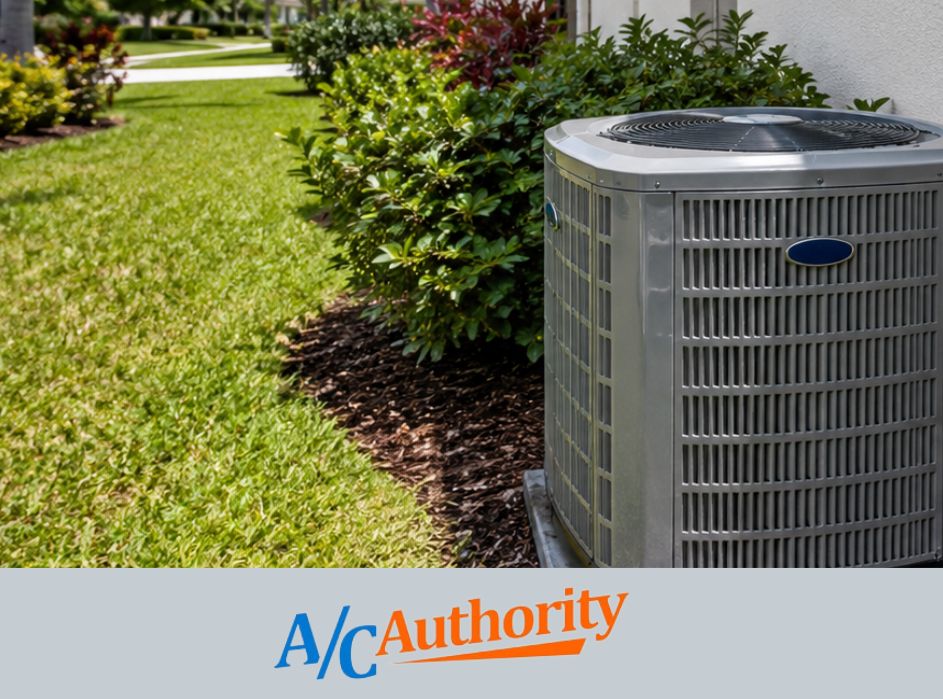
Your outdoor condenser needs adequate airflow to release heat effectively. Unfortunately, outdoor units can easily become surrounded by leaves, grass clippings, dirt, plants, and other debris.
Regularly inspect the area surrounding the outdoor unit and keep vegetation and debris from interfering with airflow. Be particularly careful when mowing, landscaping, or performing yard work around the equipment.
Florida’s weather can also introduce debris around outdoor HVAC equipment. Periodically checking the area after storms or periods of heavy wind can help you spot obstructions before they begin affecting system performance.
The goal is simple: give your outdoor equipment enough room to operate without unnecessary airflow restrictions.
Keep Supply and Return Vents Open
Closing vents may seem like an easy way to redirect conditioned air to other areas of your home, but your HVAC system is designed to operate with a certain amount of airflow.
Blocked or closed vents can interfere with that airflow and may create unnecessary pressure within the system. Furniture, rugs, curtains, boxes, and other household items can also accidentally block supply or return vents.
Walk through your home occasionally and make sure vents and return registers are unobstructed.
Proper airflow allows conditioned air to circulate more effectively and helps your system operate under the conditions it was designed for.
Pay Attention to Changes in HVAC Performance
HVAC problems rarely improve on their own. A relatively minor issue can become more expensive if the system continues operating while something is wrong.
Pay attention to changes such as:
- Unusual noises
- Weak airflow
- Warm air from the vents
- Uneven temperatures between rooms
- Unusual odors
- Longer cooling cycles
- Frequent cycling
- Water around the indoor equipment
- Unexpected increases in energy use
- Difficulty maintaining your thermostat setting
These symptoms do not necessarily mean your HVAC system is failing. However, they are good reasons to have the equipment evaluated.
Scheduling AC repair when you first notice a problem can help prevent additional strain and may reduce the likelihood that one failing component affects other parts of the system.
Keep Your HVAC Coils Clean
Your air conditioning system relies on coils to transfer heat. The indoor evaporator coil absorbs heat from the air inside your home, while the outdoor condenser coil releases heat outside.
When dirt and debris accumulate on these surfaces, heat transfer can become less effective. The system may then need to operate longer to provide the same amount of cooling.
Longer operating cycles can mean more wear on motors, electrical components, and other parts of the equipment.
Coil condition can be evaluated as part of professional HVAC maintenance. Keeping these components clean supports efficient heat transfer and reduces unnecessary stress on the system.
Protect the Condensate Drain System
Air conditioners do more than lower indoor temperatures. They also remove moisture from the air, which is particularly important in Port St. Lucie’s humid climate.
That moisture needs somewhere to go. The condensate drainage system carries collected water away from the indoor equipment.
When a drain line becomes clogged with buildup, water may back up and cause leaks or trigger system safety controls. Moisture around HVAC equipment can also create additional problems inside the home.
Routine maintenance of the condensate system helps keep drainage functioning correctly and reduces the likelihood of water-related HVAC issues.
Use Your Thermostat Wisely
Constantly making large thermostat adjustments can result in unnecessary system operation. Instead, choose comfortable, reasonable temperature settings and allow the HVAC system to maintain them consistently.
A programmable or smart thermostat can also help manage cooling based on your household’s schedule. For example, temperature settings can be adjusted when the home is unoccupied rather than cooling an empty house exactly as you would when everyone is home.
The objective is not to stop using your air conditioner when you need it. In South Florida, reliable cooling is essential. Instead, smart thermostat habits can help reduce unnecessary runtime while maintaining indoor comfort.
Make Sure Your HVAC System Is Properly Sized
Bigger is not always better when it comes to air conditioning.
An oversized HVAC system may cool the home quickly but shut off before completing a healthy operating cycle. This frequent starting and stopping, known as short cycling, can create unnecessary wear.
An undersized system presents the opposite problem. If the equipment does not have enough capacity for the home, it may run for extended periods while struggling to reach the desired temperature.
Both situations can put unnecessary stress on HVAC equipment.
When it is eventually time for AC installation or replacement, proper system sizing is an important part of protecting your new investment. HVAC professionals consider multiple characteristics of the home rather than simply replacing an old unit with whatever equipment appears similar.
Address Ductwork Problems
Your HVAC equipment may be working correctly while conditioned air is being lost elsewhere.
Damaged, disconnected, poorly sealed, or improperly designed ductwork can make it more difficult to distribute cooled air throughout the home. If the system has to operate longer to compensate for those problems, the additional runtime can contribute to wear.
Possible signs of ductwork problems include weak airflow, uneven temperatures, excessive dust, or rooms that remain uncomfortable despite the HVAC system running.
If airflow problems persist after replacing the filter and checking the vents, professional evaluation can help determine whether ductwork or another HVAC component is contributing to the issue.
Reduce Heat Gain Inside Your Home
Your HVAC system’s workload is influenced by more than the equipment itself. The amount of heat entering your home also affects how frequently the system needs to operate.
Simple measures can help reduce unnecessary heat gain. Closing blinds or curtains during periods of intense sunlight, maintaining weatherstripping around exterior doors, and addressing gaps around windows can help keep cooled air inside and outdoor heat outside.
Insulation is another important part of the home’s overall thermal performance.
Reducing unnecessary heat gain does not replace HVAC maintenance, but it can help your cooling equipment maintain comfortable temperatures without working harder than necessary.
Don’t Ignore Humidity Problems
Florida homeowners know that temperature is only one part of indoor comfort. Humidity can make a home feel warmer and less comfortable even when the thermostat indicates a reasonable temperature.
Your air conditioner naturally removes some moisture while operating. However, persistent indoor humidity can indicate problems involving system sizing, airflow, equipment performance, ductwork, or other conditions.
If your home suddenly feels unusually humid or clammy, having the HVAC system evaluated can help identify the cause.
Maintaining appropriate humidity levels supports comfort while helping your air conditioner operate as intended.
Repair Small Problems Before They Become Major Ones
Putting off HVAC repairs can be tempting when the system is technically still operating. Unfortunately, continuing to run equipment with a developing problem can place additional stress on other components.
For example, airflow restrictions, electrical issues, drainage problems, and worn components can all affect the way the rest of the system operates.
Early diagnosis provides an opportunity to address the original problem before it becomes more complicated.
If your system begins making unusual noises, cooling inconsistently, running constantly, or behaving differently than usual, scheduling professional AC repair is generally better than waiting for a complete breakdown.
Know When Replacement Makes More Sense
Extending HVAC lifespan does not mean keeping equipment indefinitely.
As a system gets older, repairs may become more frequent, efficiency can decline, and major components can begin wearing out. At some point, continuing to repair aging equipment may no longer be the most practical option.
The decision to repair or replace should consider several factors, including the system’s age, overall condition, repair history, energy efficiency, comfort performance, and the cost of the current repair.
A professional evaluation can help you understand the condition of your existing equipment and compare your repair and replacement options.
If replacement becomes necessary, proper AC installation can establish a strong foundation for the lifespan of the next system.
Create a Consistent HVAC Care Routine
The best way to protect your HVAC system is to make maintenance an ongoing habit rather than something you think about only after a breakdown.
Homeowners can handle several basic tasks throughout the year, including checking filters, keeping vents unobstructed, monitoring the outdoor unit, and paying attention to changes in system performance.
Professional HVAC maintenance can then address the parts of the system that require technical inspection, testing, cleaning, and adjustment.
Together, homeowner care and professional service can reduce unnecessary wear and help the equipment provide dependable comfort for as long as possible.
Final Thoughts About Extending the Lifespan of Your HVAC System
Extending the lifespan of your HVAC system starts with reducing unnecessary strain and addressing problems before they have an opportunity to become more serious. Regular HVAC maintenance, clean filters, unrestricted airflow, clean coils, proper drainage, reasonable thermostat settings, and timely repairs all contribute to healthier system operation.
For homeowners in Port St. Lucie and throughout Florida’s Treasure Coast, HVAC care is especially important because cooling systems face long periods of heat, humidity, and frequent operation.
A/C Authority provides HVAC maintenance to help homeowners protect their equipment and maintain dependable indoor comfort. If your system is due for maintenance or you have noticed changes in its performance, schedule service with A/C Authority to have your HVAC equipment professionally evaluated.
Frequently Asked Questions About Extending HVAC System Lifespan
How often should I have my HVAC system professionally maintained?
Most HVAC systems should receive professional maintenance at least once a year. In Florida, where air conditioning equipment experiences extensive use, regular maintenance is particularly important for identifying wear, maintaining airflow, and preparing the system for periods of heavy cooling demand.
Does changing the air filter really help an HVAC system last longer?
Yes. A dirty filter can restrict airflow and force HVAC equipment to work harder to circulate conditioned air. Checking and replacing filters as needed helps maintain proper airflow and can reduce unnecessary strain on system components.
What are the biggest signs that my HVAC system needs professional attention?
Weak airflow, unusual noises, inconsistent temperatures, excessive humidity, water near the indoor unit, longer operating cycles, frequent cycling, and reduced cooling performance can all indicate that an HVAC system needs attention. Having these changes evaluated early can help prevent a minor problem from developing into a more significant repair.