How to Save on Cooling Costs During the Hottest Months
When summer temperatures soar in Port St. In Port St. Lucie, keeping your home comfortable often means running your air conditioner for long stretches each day. Lucie, keeping your home comfortable often means running your air conditioner for long stretches each day. While reliable cooling matters in Port St. Lucie, many homeowners notice higher utility bills during the hottest months of the year. At A/C Authority, we help homeowners find practical ways to improve efficiency, reduce energy waste, and lower cooling costs without sacrificing comfort. Proper AC maintenance services, smart habits, and home efficiency improvements can all contribute to meaningful savings during Florida’s hottest weather.
The good news is that reducing cooling costs does not always require major investments or drastic lifestyle changes. Small adjustments combined with proper HVAC care can help your air conditioner operate more efficiently and reduce unnecessary energy consumption.
Why Cooling Costs Increase During Summer
During the hottest months, your air conditioner must work harder to remove heat from your home. Higher outdoor temperatures create a larger temperature difference between indoor and outdoor air, increasing the workload placed on the system.
Longer cooling cycles, increased humidity, direct sunlight, and frequent thermostat adjustments can all contribute to rising energy bills. Homes with poor insulation, dirty HVAC components, or airflow issues may see even greater increases in cooling costs.
Understanding what drives energy use is the first step toward reducing expenses.
Replace Air Filters Regularly
One of the simplest and most effective ways to improve efficiency is replacing your HVAC air filter regularly. Dirty filters restrict airflow, forcing the system to work harder to circulate cooled air throughout the home.
When airflow is reduced, the system may run longer, consume more energy, and experience additional wear on components.
Most homeowners should inspect filters monthly and replace them as needed based on manufacturer recommendations, household conditions, and pet ownership.
Schedule Professional AC Maintenance
Routine maintenance plays a major role in keeping cooling costs under control. Dust, dirt, worn components, and airflow restrictions can gradually reduce system efficiency.
Professional maintenance may include:
- Coil cleaning
- Airflow inspection
- Electrical testing
- Thermostat calibration
- Drain line inspection
- Refrigerant evaluation
- Filter inspection
- System performance testing
A properly maintained system typically operates more efficiently and may be less likely to experience costly breakdowns during peak summer demand.
Use Your Thermostat Strategically
Thermostat settings can significantly influence cooling costs. Lowering the thermostat more than necessary forces the system to work harder and run longer.
Instead of setting extremely low temperatures, choose a comfortable setting and avoid constant adjustments throughout the day. Consistent settings often allow the system to operate more efficiently.
Even small temperature changes can have a noticeable impact on overall energy consumption.
Consider a Smart Thermostat
Smart thermostats allow homeowners to automate temperature schedules based on occupancy and daily routines. This helps reduce unnecessary cooling when the home is empty while maintaining comfort when occupants are present.
Many smart thermostats offer features such as:
- Programmable schedules
- Remote control access
- Energy usage tracking
- Automatic adjustments
- Vacation settings
- Learning capabilities
These features can help reduce cooling costs without requiring constant manual adjustments.
Keep Vents Open and Unobstructed
Some homeowners close vents in unused rooms hoping to save energy. However, this can sometimes create airflow imbalances that reduce HVAC efficiency.
Furniture, rugs, curtains, and storage items can also block airflow from supply vents and return grilles.
Keeping vents open and unobstructed helps maintain proper airflow throughout the home and supports efficient system operation.
Reduce Heat Gain from Sunlight
Direct sunlight can significantly increase indoor temperatures, especially during the afternoon. Windows that receive strong sun exposure often contribute to additional cooling demand.
Ways to reduce solar heat gain include:
- Closing blinds during peak sunlight hours
- Using curtains or shades
- Installing window treatments
- Applying window films
- Adding exterior shading where appropriate
Reducing heat gain helps the air conditioner work less to maintain comfortable temperatures.
Use Ceiling Fans Effectively
Ceiling fans do not lower room temperature, but they can help occupants feel cooler by improving air circulation. This may allow homeowners to use slightly higher thermostat settings while maintaining comfort.
Fans are most effective when rooms are occupied. Turning them off when rooms are empty prevents unnecessary energy use.
Combining fans with efficient thermostat settings can help reduce overall cooling demand.
Seal Air Leaks Around the Home
Cool air can escape through gaps around doors, windows, attic penetrations, and other openings. At the same time, warm outdoor air can enter the home, increasing cooling requirements.
Common leak locations include:
- Door frames
- Window frames
- Attic access points
- Utility penetrations
- Duct connections
- Exterior wall openings
Sealing leaks helps improve efficiency by keeping conditioned air inside the home.
Improve Attic Insulation
Insulation plays a major role in controlling heat transfer. In Florida homes, attic insulation helps reduce the amount of heat entering living spaces from above.
When insulation is inadequate, the HVAC system must work harder to compensate for heat gain. Improving insulation can help maintain more stable indoor temperatures and reduce cooling costs over time.
Proper insulation works alongside your HVAC system to support comfort and efficiency.
Keep the Outdoor Unit Clean
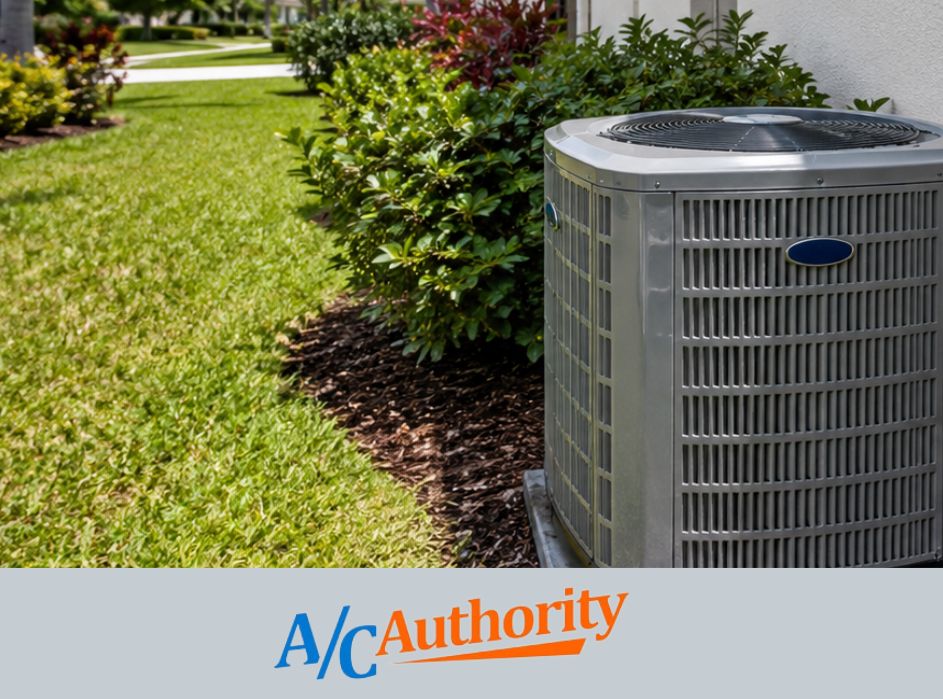
Your outdoor condenser unit requires unrestricted airflow to release heat effectively. Grass clippings, leaves, landscaping materials, and debris can reduce airflow around the equipment.
When airflow is restricted, the system may lose efficiency and experience additional strain.
Maintaining a clear area around the outdoor unit supports proper operation and helps the system perform at its best.
Avoid Heat-Producing Activities During Peak Hours
Certain household activities generate additional heat indoors. Cooking, baking, using ovens, running dryers, and operating heat-producing appliances can increase cooling demand.
Whenever possible, consider:
- Cooking earlier in the day
- Using outdoor grills
- Running dishwashers at night
- Running laundry during cooler hours
- Using smaller appliances when appropriate
Reducing indoor heat sources helps lessen the workload on your air conditioner.
Inspect Your Ductwork
Leaky ductwork can allow conditioned air to escape before it reaches living spaces. This forces the HVAC system to work harder to achieve desired temperatures.
Signs of duct problems may include:
- Uneven temperatures
- Weak airflow
- Higher utility bills
- Excess dust
- Hot and cold spots
Duct inspections can help identify hidden efficiency losses that contribute to rising cooling costs.
Know When It May Be Time for an Upgrade
Older HVAC systems often require more energy to produce the same level of comfort as newer equipment. As systems age, wear and declining efficiency may contribute to rising utility costs.
If your air conditioner struggles to maintain comfort, requires frequent repairs, or causes unusually high energy bills, it may be worth evaluating replacement options.
Modern high-efficiency systems often provide improved performance and energy savings compared to aging equipment.
Why Homeowners Choose A/C Authority
A/C Authority helps Port St. Lucie homeowners improve comfort while managing cooling costs. Our team provides maintenance, repairs, system evaluations, and efficiency recommendations designed to help customers get the most from their HVAC systems.
Whether you need seasonal maintenance, airflow improvements, indoor air quality upgrades, or replacement guidance, we focus on practical solutions that support comfort and efficiency.
Final Thoughts About Saving on Cooling Costs
Cooling costs often rise during Florida’s hottest months, but homeowners can take several steps to reduce energy use while maintaining comfort. Regular maintenance, clean filters, smart thermostat settings, improved insulation, proper airflow, and efficient system operation all contribute to lower cooling expenses.
With professional HVAC maintenance from A/C Authority, homeowners can improve efficiency, reduce unnecessary energy waste, and stay comfortable throughout the summer season.
Frequently Asked Questions About Cooling Costs
What is the easiest way to reduce cooling costs?
Replacing air filters regularly, maintaining consistent thermostat settings, and scheduling professional HVAC maintenance are among the simplest ways to improve efficiency.
Do smart thermostats really save money?
Smart thermostats can help reduce energy use by adjusting temperatures automatically based on schedules and occupancy patterns.
How often should I schedule AC maintenance?
Most systems should receive professional maintenance at least once per year, ideally before the peak cooling season begins.
Can dirty air filters increase my electric bill?
Yes. Dirty filters restrict airflow and can force the system to work harder, increasing energy consumption.
Do ceiling fans lower cooling costs?
Ceiling fans improve comfort by moving air, which may allow homeowners to use slightly higher thermostat settings while remaining comfortable.
When should I consider replacing my air conditioner?
If your system is older, frequently requires repairs, struggles to cool the home, or causes high utility bills, it may be time to explore replacement options.